
Material Analysis
Nichrome NiCr Alloy Strip is a nickel-chromium-based resistance heating material engineered for long-term performance in high-temperature applications. The typical composition of NiCr alloy includes around 80% nickel and 20% chromium, providing excellent oxidation resistance, stable electrical properties, and superior formability. The alloy’s chemical balance allows it to maintain consistent resistance even after thousands of heating and cooling cycles, making it ideal for electric ovens, industrial dryers, and heat-treatment equipment.
Applications
Electric and convection ovens
Industrial and laboratory furnaces
Heat treatment systems
Food processing equipment
Plastic extrusion and sealing machines
Toasters, air heaters, and household appliances
Drying chambers and paint-curing equipment
Electronic load resistors and testing devices
Industry Trends
With the global shift toward energy-efficient and automated heating systems, NiCr alloy strips are gaining traction as reliable and cost-effective solutions. Industries now demand materials that combine consistent performance, corrosion resistance, and longevity, especially under repeated temperature cycling. Nichrome strips, compared to cheaper alloys, deliver better uniformity and a longer service life, which is why they remain the preferred choice in professional heating applications.
At DZX, we’ve enhanced our production of NiCr alloy strips through precision rolling, annealing, and surface treatment technologies, ensuring every meter of material meets both performance and safety standards demanded by global equipment manufacturers.
Alloy Nomenclature Performance | 1Cr13Al4 | 0Cr25Al5 | 0Cr21Al6 | 0Cr23Al5 | 0Cr21Al4 | 0Cr21Al6Nb | 0Cr27Al7Mo2 |
Chemical Compostion (%) | Cr | 12.0-15.0 | 23.0-26.0 | 19.0-22.0 | 20.5-23.5 | 18.0-21.0 | 21.0-23.0 | 26.5-27.8 |
Al | 4.0-6.0 | 4.5-6.5 | 5.0-7.0 | 4.2-5.3 | 3.0-4.2 | 5.0-7.0 | 6.0-7.0 |
Re | Opportune | Opportune | Opportune | Opportune | Opportune | Opportune | Opportune |
Fe | Rest | Rest | Rest | Rest | Rest | Rest | Rest |
| -- | -- | -- | -- | -- | -- | -- |
Max.Continuous service temp. of element |
950 |
1250 |
1250 |
1250 |
1100 |
1350 |
1400 |
Resistivity at 20C(μΩ.m) | 1.25 | 1.42 | 1.42 | 1.35 | 1.23 | 1.45 | 1.53 |
Density(g/cm) | 7.4 | 7.1 | 7.16 | 7.25 | 7.35 | 7.1 | 7.1 |
Thermal Conductivity(KJ/m.h) |
52.7 |
46.1 |
63.2 |
60.2 |
46.9 |
46.1 |
-- |
Coefficient of lines expansion(αx10-6/℃)
| 15.4 | 16 | 14.7 | 15 | 13.5 | 16 | 16 |
Melting Point Approx(degree) | 1450 | 1500 | 1500 | 1500 | 1500 | 1510 | 1520 |
Tensile Strength(N/mm) | 580-680 | 630-780 | 630-780 | 630-780 | 600-700 | 650-800 | 680-830 |
Elongation at rupture(%) | >16 | >12 | >12 | >12 | >12 | >12 | >10 |
Variation of area(%) | 65-75 | 60-75 | 65-75 | 65-75 | 65-75 | 65-75 | 65-75 |
Repeat Bending frequency(F/R) | >5 | >5 | >5 | >5 | >5 | >5 | >5 |
Hardness(H.B.) | 200-260 | 200-260 | 200-260 | 200-260 | 200-260 | 200-260 | 200-260 |
continuous service time(Hours/ ºC) | -- | ≥80/1300 | ≥80/1300 | ≥80/1300 | ≥80/1250 | ≥80/1350 | ≥80/1350 |
Micrographic structure | Ferrite | Ferrite | Ferrite | Ferrite | Ferrite | Ferrite | Ferrite |
Magnetic properties | Magnetic | Magnetic | Magnetic | Magnetic | Magnetic | Magnetic | Magnetic |
Shape | Size (mm) |
Wire | 0.05-7.5 |
Rod | 8-50 |
Ribbon | (0.05-0.35)*(0.5-6.0) |
Strip | (0.5-2.5)*(5-180)
|
In the heating industry, performance and durability define success. Our Nichrome NiCr Alloy Strip stands out as one of the most reliable and stable materials for high-temperature applications. At DZX, we’ve refined the way this alloy is produced to meet modern manufacturing demands for precision and energy efficiency.
The core of NiCr’s performance lies in its composition. With nickel providing ductility and chromium contributing oxidation resistance, this alloy remains stable across thousands of heating cycles. When used in electric ovens or furnaces, it maintains consistent resistance, meaning the temperature stays uniform throughout the system. This is especially critical for applications like food processing and metal heat treatment, where temperature deviation can affect product quality.
Technical Comparison Table
| Parameter | NiCr Alloy Strip | FeCrAl Strip | Stainless Steel Strip |
|---|
| Composition | Ni 80%, Cr 20% | Fe 72%, Cr 22%, Al 5% | Fe, Cr, Ni, Mn |
| Max Operating Temperature (°C) | 1200 | 1350 | 800 |
| Electrical Resistivity (μΩ·m) | 1.09 | 1.39 | 0.73 |
| Density (g/cm³) | 8.4 | 7.1 | 7.9 |
| Oxidation Resistance | Excellent | Very Good | Good |
| Thermal Expansion (×10⁻⁶/°C) | 15.0 | 14.5 | 16.5 |
| Magnetic Properties | Non-magnetic | Slightly magnetic | Magnetic |
| Formability | Excellent | Good | Fair |
| Typical Lifespan (hours at 1000°C) | 20,000+ | 15,000+ | 8,000+ |
One key advantage of DZX’s NiCr Alloy Strip is its surface integrity. Unlike some materials that develop uneven oxide layers or microcracks after long use, our strips undergo specialized heat treatment and polishing. This controlled process creates a dense, self-protective oxide film that prevents scaling and performance decay. As a result, customers benefit from longer service intervals and reduced maintenance downtime.
The heating materials market has seen considerable transformation in recent years. With industries moving toward electric and automated systems, demand for reliable alloys like NiCr continues to grow. While some heating manufacturers experiment with alternative alloys, professionals who require consistent performance—especially in ovens and industrial heaters—still prefer NiCr. Its ability to deliver stable resistance across a wide temperature range makes it nearly unmatched in precision heating applications.
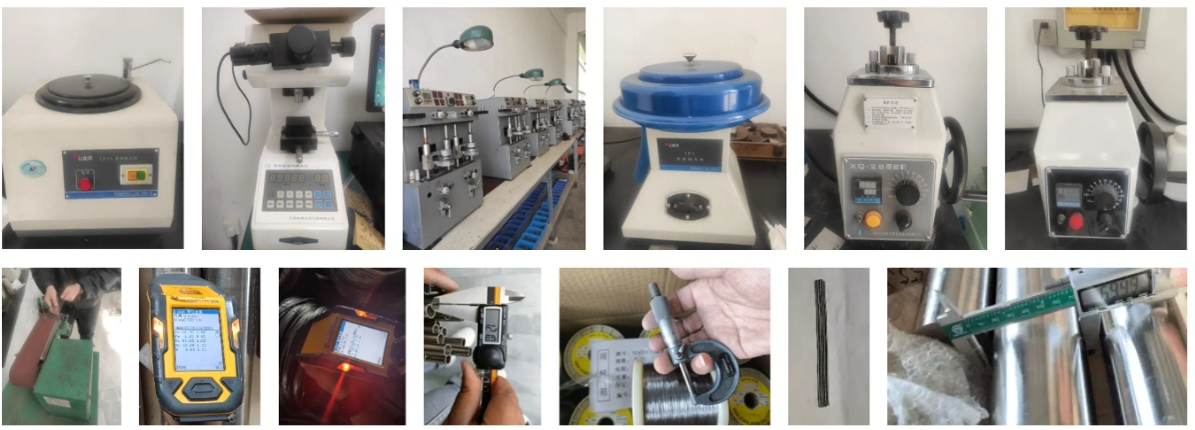
At DZX, we’ve invested heavily in improving production efficiency and quality control. Every batch of alloy strip is vacuum-melted to ensure chemical purity. After that, precision rolling and annealing are applied to achieve a uniform thickness and consistent grain structure. The final inspection includes resistivity testing and surface examination under high magnification to eliminate any imperfections.
Our customers often come to us when they experience inconsistencies in their heating systems due to material instability. With DZX’s NiCr Alloy Strip, they find a solution that not only improves performance but also extends the lifetime of heating components. The alloy’s balance of strength and flexibility makes it easier to wind, cut, and install, even in compact or custom-designed heating units.
Compared to other materials such as FeCrAl or stainless steel, NiCr strips from DZX deliver superior performance in terms of oxidation resistance and mechanical endurance. They maintain structural integrity at high temperatures without warping or cracking, ensuring stable heating power. This reliability has made our NiCr strips the preferred choice for oven manufacturers, laboratory equipment suppliers, and industrial heating system designers.
Looking ahead, the global heating materials market is expected to grow alongside the development of energy-efficient electric systems. As industries pursue sustainability and longer-lasting materials, NiCr alloys will continue to play a vital role. DZX remains committed to innovation—developing improved metallurgical processes and offering tailored heating material solutions to meet the evolving needs of our global partners.
Our approach is simple: produce reliable materials that make industrial heating more efficient, consistent, and cost-effective. Every roll of DZX Nichrome NiCr Alloy Strip represents our dedication to precision engineering and customer satisfaction.


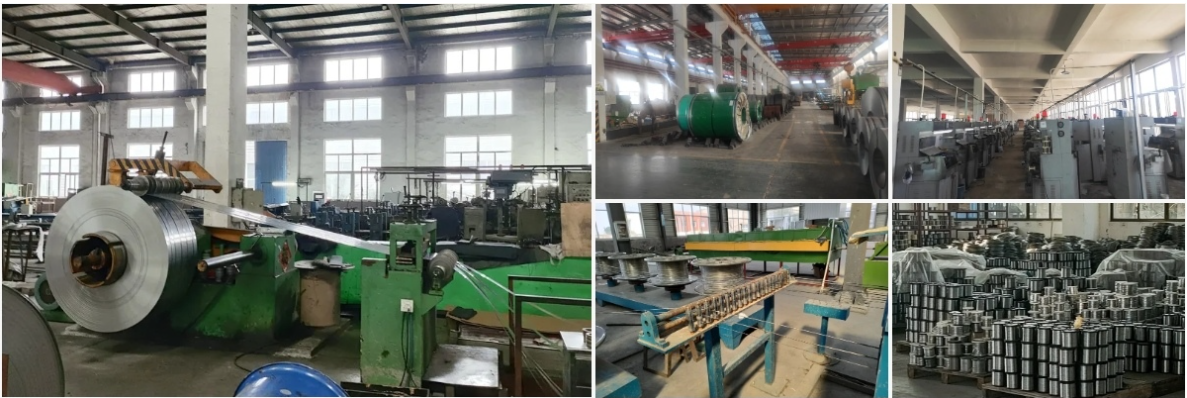
Our 12,000㎡ factory is equipped with complete capabilities for research, production, testing, and packaging. We strictly adhere to ISO 9001 standards in our production processes, with an annual output of 1,200 tons. This ensures that we meet both quantity and quality demands. Furthermore, all products undergo rigorous simulated environment testing including high temperature, high pressure, and corrosion tests before being dispatched, ensuring they meet customer specifications.For all our clients, we offer timely and multilingual after-sales support and technical consulting, helping you resolve any issues swiftly and efficiently.
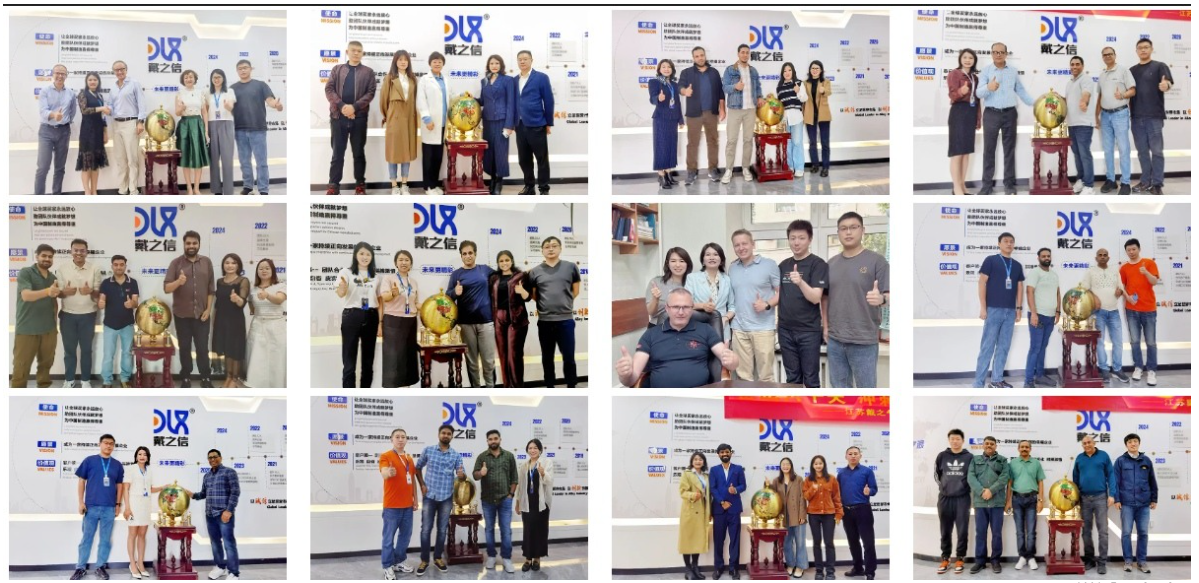
Client Visits
Building Stronger Partnerships
We support all kinds of testing:

1. What makes Nichrome NiCr Alloy Strip ideal for oven heating elements?
It combines high resistivity, excellent oxidation resistance, and consistent heating behavior, ensuring steady temperature control and long service life.
2. Can DZX produce customized Nichrome strips?
Yes. We can customize width, thickness, resistance, and surface finish according to your design requirements or heating element configuration.
3. What’s the temperature limit for NiCr strips?
DZX NiCr strips can operate continuously up to 1200°C depending on the atmosphere and design setup.
4. How is the strip surface treated for oxidation protection?
Our strips undergo precision annealing and surface polishing, forming a uniform oxide layer that enhances protection against oxidation and corrosion.
5. How does NiCr alloy compare with FeCrAl in performance?
While FeCrAl offers a slightly higher operating temperature, NiCr provides superior mechanical strength, ductility, and resistance uniformity, making it more suitable for precise heating systems.
6. What industries mainly use Nichrome strips?
They are used in industrial furnaces, household ovens, laboratory heaters, and electronics manufacturing where temperature control and reliability are essential.
7. Does the material degrade over time?
Minimal degradation occurs when used under proper conditions. DZX’s advanced processing ensures microstructural stability for extended operational life.
8. How does DZX ensure consistency in production?
We control every stage—from melting to cold rolling and heat treatment—using precision testing to verify resistivity, surface smoothness, and alloy uniformity.


